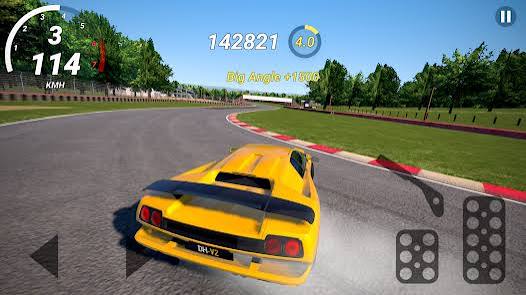
Drift Hunters Unblocked: High-Score Drift Techniques and Combo Strategy is designed for players who want a practical path to turning controlled slides into longer combos and higher drift scores. The game rewards momentum, angle, smooth correction, and the discipline to finish a slide safely. Because the controls are immediate, every mistake is visible: too much entry speed creates panic, a long handbrake hold removes momentum, and late counter-steer turns a manageable slide into a spin. The good news is that each of these problems can be isolated and improved with short, focused practice.
This article uses the exact systems available in Drift Hunters Unblocked: keyboard and touch driving, chase cameras, handbrake initiation, a live drift multiplier, automatic score banking, reset control, saved cash, garage cars, and three tuning categories. The goal is not to promise a secret shortcut. Instead, it explains how to read the car, make deliberate inputs, and measure improvement through cleaner exits and more consistent banked scores.
Know What Creates Score
This part of the technique is easier when every input has a reason. In Drift Hunters Unblocked, maintain meaningful speed while the car is travelling at a visible angle to its forward direction. At the same time, keep the drift stable for longer because sustained control is worth more than a short dramatic spin. These two choices establish a stable base because the car remains predictable long enough for you to see the effect of steering, speed, and traction. New players often react to the final spin, but the important decision usually happened several seconds earlier. Work at a pace where you can identify that earlier decision.
During practice, combine angle and movement without reducing the car to a near stop. Then treat every point as temporary until the drift has safely ended and banked. Use one familiar corner and repeat the sequence for several runs without changing the vehicle or camera. When the result improves, keep the successful timing for the next attempt. When it becomes worse, return to the previous timing instead of adding another emergency input. This simple comparison turns each run into useful information.
A good result should feel calm even when the car is visibly sliding. Watch the road position, the direction of travel, and the available exit space. Listen to the rhythm of acceleration and tyre slip, but do not let the score display distract you from the line. The purpose of know what creates score is not a single impressive moment; it is a repeatable action that supports the next corner and protects banked progress.
Use Entry Speed That You Can Manage
Consistency comes from making the same decision at the same point on the track. In Drift Hunters Unblocked, carry enough speed to keep momentum but leave room for steering and throttle correction. At the same time, approach familiar corners at repeatable speeds before trying faster entries. These two choices establish a stable base because the car remains predictable long enough for you to see the effect of steering, speed, and traction. New players often react to the final spin, but the important decision usually happened several seconds earlier. Work at a pace where you can identify that earlier decision.
During practice, lift or brake earlier on tight bends and stay faster on open sweepers. Then avoid using speed as a substitute for accurate timing. Use one familiar corner and repeat the sequence for several runs without changing the vehicle or camera. When the result improves, keep the successful timing for the next attempt. When it becomes worse, return to the previous timing instead of adding another emergency input. This simple comparison turns each run into useful information.
A good result should feel calm even when the car is visibly sliding. Watch the road position, the direction of travel, and the available exit space. Listen to the rhythm of acceleration and tyre slip, but do not let the score display distract you from the line. The purpose of use entry speed that you can manage is not a single impressive moment; it is a repeatable action that supports the next corner and protects banked progress.
Grow the Multiplier Safely
The fastest way to improve is to simplify the situation before adding speed. In Drift Hunters Unblocked, hold a clean slide long enough for the multiplier to increase naturally. At the same time, prioritize a stable x2 or x3 run over an unstable attempt to reach x5 immediately. These two choices establish a stable base because the car remains predictable long enough for you to see the effect of steering, speed, and traction. New players often react to the final spin, but the important decision usually happened several seconds earlier. Work at a pace where you can identify that earlier decision.
During practice, avoid barriers and grass because sudden corrections can end the scoring sequence. Then use the widest predictable section of road when learning combo duration. Use one familiar corner and repeat the sequence for several runs without changing the vehicle or camera. When the result improves, keep the successful timing for the next attempt. When it becomes worse, return to the previous timing instead of adding another emergency input. This simple comparison turns each run into useful information.
A good result should feel calm even when the car is visibly sliding. Watch the road position, the direction of travel, and the available exit space. Listen to the rhythm of acceleration and tyre slip, but do not let the score display distract you from the line. The purpose of grow the multiplier safely is not a single impressive moment; it is a repeatable action that supports the next corner and protects banked progress.
Link Corners With Smooth Transitions
Strong drift runs are built from controlled details rather than random corrections. In Drift Hunters Unblocked, reduce angle near the end of one bend and prepare steering for the next direction. At the same time, transfer the rear of the car across the center line without fully straightening for too long. These two choices establish a stable base because the car remains predictable long enough for you to see the effect of steering, speed, and traction. New players often react to the final spin, but the important decision usually happened several seconds earlier. Work at a pace where you can identify that earlier decision.
During practice, use a brief lift or handbrake tap to help the car change direction. Then keep the transition deliberate so the car does not snap into an uncontrollable spin. Use one familiar corner and repeat the sequence for several runs without changing the vehicle or camera. When the result improves, keep the successful timing for the next attempt. When it becomes worse, return to the previous timing instead of adding another emergency input. This simple comparison turns each run into useful information.
A good result should feel calm even when the car is visibly sliding. Watch the road position, the direction of travel, and the available exit space. Listen to the rhythm of acceleration and tyre slip, but do not let the score display distract you from the line. The purpose of link corners with smooth transitions is not a single impressive moment; it is a repeatable action that supports the next corner and protects banked progress.
Balance Angle and Forward Motion
A useful practice habit is to separate this skill from the rest of the lap. In Drift Hunters Unblocked, increase angle only when the car still has enough forward speed to complete the corner. At the same time, reduce counter-steer or add throttle if the drift is becoming too shallow. These two choices establish a stable base because the car remains predictable long enough for you to see the effect of steering, speed, and traction. New players often react to the final spin, but the important decision usually happened several seconds earlier. Work at a pace where you can identify that earlier decision.
During practice, lift and open the steering when the car rotates faster than the road allows. Then avoid chasing a visual angle that points the car away from the available exit. Use one familiar corner and repeat the sequence for several runs without changing the vehicle or camera. When the result improves, keep the successful timing for the next attempt. When it becomes worse, return to the previous timing instead of adding another emergency input. This simple comparison turns each run into useful information.
A good result should feel calm even when the car is visibly sliding. Watch the road position, the direction of travel, and the available exit space. Listen to the rhythm of acceleration and tyre slip, but do not let the score display distract you from the line. The purpose of balance angle and forward motion is not a single impressive moment; it is a repeatable action that supports the next corner and protects banked progress.
Use the Whole Track Width
The car gives immediate feedback when this step is performed correctly. In Drift Hunters Unblocked, start from the outside, approach the inside portion of the bend, and let the car travel toward the outside exit. At the same time, leave a safety margin beside guardrails while learning the racing line. These two choices establish a stable base because the car remains predictable long enough for you to see the effect of steering, speed, and traction. New players often react to the final spin, but the important decision usually happened several seconds earlier. Work at a pace where you can identify that earlier decision.
During practice, use broad arcs to preserve momentum and create longer scoring windows. Then avoid entering from the middle of the road when a wider setup is available. Use one familiar corner and repeat the sequence for several runs without changing the vehicle or camera. When the result improves, keep the successful timing for the next attempt. When it becomes worse, return to the previous timing instead of adding another emergency input. This simple comparison turns each run into useful information.
A good result should feel calm even when the car is visibly sliding. Watch the road position, the direction of travel, and the available exit space. Listen to the rhythm of acceleration and tyre slip, but do not let the score display distract you from the line. The purpose of use the whole track width is not a single impressive moment; it is a repeatable action that supports the next corner and protects banked progress.
Bank Points Before Taking Big Risks
Progress becomes measurable when the entry, action, and exit are all repeatable. In Drift Hunters Unblocked, finish a valuable combo on a straight rather than forcing one more uncertain corner. At the same time, recognize when speed, position, or visibility has become poor. These two choices establish a stable base because the car remains predictable long enough for you to see the effect of steering, speed, and traction. New players often react to the final spin, but the important decision usually happened several seconds earlier. Work at a pace where you can identify that earlier decision.
During practice, let the drift end naturally while continuing to drive so the score can bank. Then start the next attempt with secured points instead of gambling the entire run. Use one familiar corner and repeat the sequence for several runs without changing the vehicle or camera. When the result improves, keep the successful timing for the next attempt. When it becomes worse, return to the previous timing instead of adding another emergency input. This simple comparison turns each run into useful information.
A good result should feel calm even when the car is visibly sliding. Watch the road position, the direction of travel, and the available exit space. Listen to the rhythm of acceleration and tyre slip, but do not let the score display distract you from the line. The purpose of bank points before taking big risks is not a single impressive moment; it is a repeatable action that supports the next corner and protects banked progress.
Create a Repeatable Scoring Route
A dependable approach begins with one clear objective. In Drift Hunters Unblocked, select several connected corners that match the chosen car and camera. At the same time, practice the route in sections before attempting one continuous combo. These two choices establish a stable base because the car remains predictable long enough for you to see the effect of steering, speed, and traction. New players often react to the final spin, but the important decision usually happened several seconds earlier. Work at a pace where you can identify that earlier decision.
During practice, record mental markers for braking, steering, and transition points. Then measure improvement by average banked score rather than a single lucky result. Use one familiar corner and repeat the sequence for several runs without changing the vehicle or camera. When the result improves, keep the successful timing for the next attempt. When it becomes worse, return to the previous timing instead of adding another emergency input. This simple comparison turns each run into useful information.
A good result should feel calm even when the car is visibly sliding. Watch the road position, the direction of travel, and the available exit space. Listen to the rhythm of acceleration and tyre slip, but do not let the score display distract you from the line. The purpose of create a repeatable scoring route is not a single impressive moment; it is a repeatable action that supports the next corner and protects banked progress.
Quick Practice Checklist
- Use the same car and camera while testing a new technique.
- Approach a familiar corner at a repeatable speed.
- Change only one input or upgrade between comparisons.
- Use short steering and handbrake inputs before trying longer ones.
- Protect road position before chasing maximum angle.
- Bank valuable points before entering an uncertain section.
- Judge progress by several clean runs, not one lucky attempt.
- Reset quickly after a full loss of control, then identify the earliest mistake.
Frequently Asked Questions About Drift Hunters Unblocked
Is more speed always better for drifting?
No. Speed helps maintain momentum, but excessive entry speed removes the time and road space needed for correction. Use the fastest speed that still allows a controlled exit.
Should I hold the handbrake during the whole corner?
Usually not. A brief handbrake tap starts rotation. Holding it too long can reduce forward movement, create excessive angle, and make the car difficult to recover.
Why do my points disappear after a drift?
Active drift points are not secure until the slide ends and the score banks. Stopping, spinning, or losing control can place the unfinished score at risk.
Do upgrades replace practice?
Upgrades can improve power, grip, or steering, but they also change timing. A balanced setup supports good technique; it does not correct random inputs automatically.
Conclusion
The most useful lesson from Drift Hunters Unblocked: High-Score Drift Techniques and Combo Strategy is that improvement should be intentional. Choose one corner, one speed range, and one objective. Repeat the sequence, compare the outcome, and keep the version that gives more road space and a cleaner exit. This process may feel slower than immediately chasing a large multiplier, but it produces skills that remain reliable with different cars and routes.
Return to the game and apply only one section at a time. Once turning controlled slides into longer combos and higher drift scores becomes consistent, increase the difficulty by adding speed, a transition, a longer combo, or a different vehicle. Secure the score when the run becomes uncertain, use the garage with a clear purpose, and let controlled repetition turn every lap into progress.